Introduction
A diagnosis involving cancer of the lungs, chest, or surrounding structures can be overwhelming. A crucial part of planning for appropriate care is understanding the condition and selecting the right specialist. Thoracic cancers may affect any organs or tissues in the chest and so require special surgical knowledge.
Earlier detection of thoracic cancer symptoms and timely medical evaluation could help determine the diagnosis and stage, and could help determine the approach to treatment. Patients who have been diagnosed with cancer at Kolkata Oncology can consult an expert surgical oncology team regarding the surgical procedure they can undergo. However, before deciding on a surgeon, it is important to examine the procedure of what to consider when you select a surgeon. Most important of all, ask questions at your consultation! Here are 10 that can help.
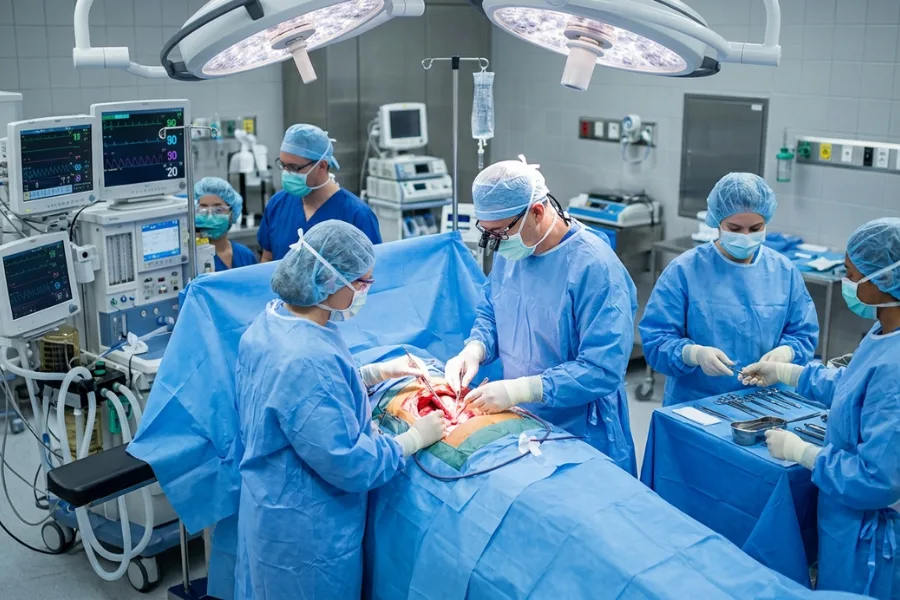
Ten Questions You Should Ask Your Thoracic Cancer Surgeon
1. What Is Your Experience With My Specific Condition?
Starting with this question is a good idea. Surgery for cancer doesn't fit everyone. Thoracic surgery may include surgery on the lungs, oesophagus, pleura, mediastinum, and others in the thoracic cavity. Some operations take the form of simple processes, and others are more complicated. Therefore, rather than asking about their years in practice, inquire about how many years they have experience in treating thoracic cancers. This will allow you to get a better picture of their experience, and whether it corresponds to what you need.
Dr. Shaikat Gupta has more than 34 years of experience in cancer surgery and has performed over 12,500 cancer surgeries. His areas of expertise include thoracic cancers along with breast, head and neck, gastrointestinal, gynaecological, colorectal, stomach, and soft tissue cancers.
2. What Type of Thoracic Cancer Do I Have?
The term “thoracic cancer” covers several different cancers. It is not a diagnosis by itself. The types of thoracic cancer can include:
- Lung cancer
- Lung cancer that damages the vertebra
- Oesophageal cancer
- Pleural tumours
- Mediastinal tumours
- Chest wall tumours
- Other cancers affecting structures within the chest
Treatment varies from one type to another. Your biopsy and scans should tell your doctor more about the cancer. Ask them to explain the diagnosis in simple language. Find out where the tumour is located. Ask whether it has spread or not. And, most importantly, understand what that means for your treatment.
3. Are My Symptoms Linked with Thoracic Cancer?
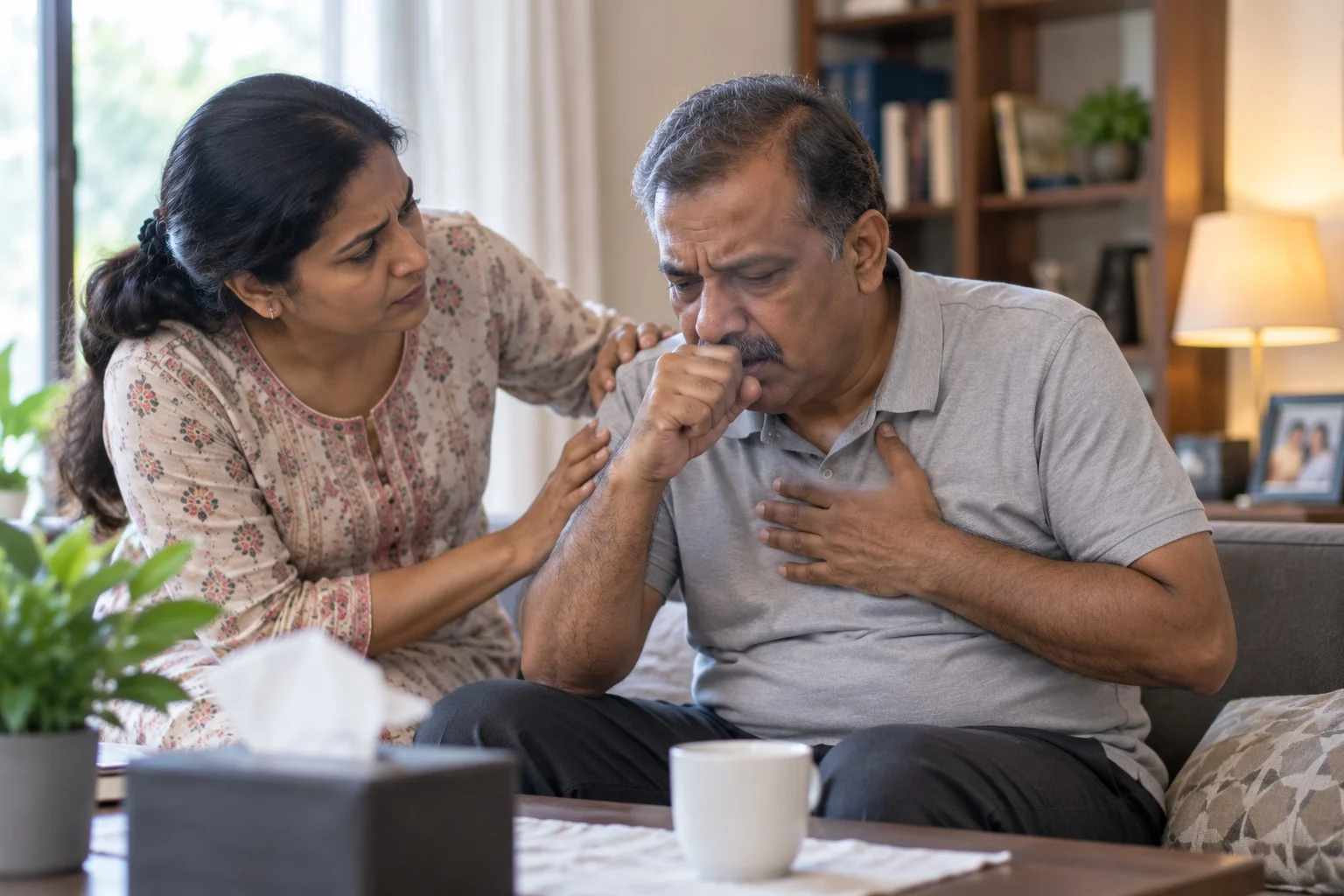
A persistent cough does not necessarily mean cancer. Neither does chest pain or breathlessness. These symptoms can have many causes. Still, they should not be ignored when they persist or appear without an obvious reason.
Some possible thoracic cancer symptoms include:
- A cough that continues for weeks
- Chest pain or discomfort
- Shortness of breath
- Coughing up blood
- Unexplained weight loss
- Hoarseness that does not improve
- Difficulty swallowing
- Repeated chest infections
There is no way to diagnose cancer from symptoms alone. Your doctor may recommend imaging tests, a biopsy, bronchoscopy, endoscopy or other investigations. The exact tests depend on what they find during the initial evaluation. The important thing is to get the symptoms checked rather than trying to diagnose yourself.

4. Do I Need Surgery?
A cancer diagnosis does not automatically mean you need surgery. Sometimes surgery is the main treatment. Sometimes it is combined with chemotherapy or radiation. In other cases, medicines may be used first. And for some patients, surgery may not be suitable at all.
If surgery has been recommended, ask why. What is the operation supposed to achieve? Is the aim to remove all visible cancer? You should understand the reason for surgery before agreeing to it.
5. What’s Included in the Surgery?
The actual procedure depends on where the tumour is and how far the disease has progressed. In some cases, part of a lung may need to be removed. In others, a larger section may be involved. Lymph nodes may also need to be examined or removed. Ask your surgeon to explain what will happen. If the explanation feels too technical, say so. A good consultation should leave you understanding the plan.
6. Is there any Option for Robotic or Minimally Invasive Surgery?
This is another question worth asking. Surgical technology has evolved a lot. Depending on the tumour and the patient's condition, some thoracic procedures can be performed through smaller incisions. Robotic surgery for thoracic cancer is one option used in selected cases. It allows the surgeon to operate with specialised instruments and a magnified view of the surgical area. However, it is not usually the right choice for everyone. The tumour's size and location matter, along with the complexity of the operation. Ask your surgeon why they recommend one method over another.
7. Do I Need Radiation, Chemo, or Other Treatment?
Surgery is often only one part of cancer care. Depending on the diagnosis, a patient may need chemotherapy, radiation therapy, immunotherapy, or targeted medicines as well. Sometimes these treatments are provided before surgery. Sometimes they are recommended afterwards.
This can be difficult to understand when you are dealing with a new diagnosis. Ask what your complete treatment plan might look like. Knowing this early can make the treatment journey feel a little less uncertain.
8. What Are the Risks Involved and How Long Can the Recovery Take?
It is natural to focus on getting the cancer treated. But you should also know what recovery could involve. Thoracic surgery can affect breathing and movement for a period of time. The experience varies from patient to patient. It also depends on the type of surgery.
Before making a decision, ask about:
- Possible complications
- Pain after surgery
- How long you may stay in hospital
- Breathing exercises
- Physiotherapy
- When you can return to everyday activities
- Follow-up appointments
- Additional treatment after surgery
Knowing what to expect can help you prepare your family, work and daily responsibilities before the operation.
9. How Does Your Team Support Patients Throughout the Process?
The best surgical teams have systems in place to communicate clearly and provide support not just to the patient, but to their loved ones as well. Your surgeon should explain how you can stay in touch with the team after the consultation. Who can you contact if a question comes up after the appointment? What happens if you need help outside regular office hours?
These details may seem small, but they can make a big difference during thoracic cancer surgery treatment. You should feel that support is available when you need it. Patient testimonials can also be helpful. They may give you a better idea of how the surgeon communicates, listens to concerns, and supports patients throughout their treatment journey.
10. Can You Provide Information Regarding All My Treatment Options?
This may be the most vital question among all. Discuss all the available treatment options with your surgeon. Why is this treatment being recommended? Are there alternatives? What are the likely benefits? What are the possible risks?
You need a surgeon who will explain your situation honestly. At Kolkata Oncology, Dr. Shaikat Gupta will tell you what is known, what is uncertain, and why he is recommending a particular approach. That kind of conversation can make a significant difference.
Why It’s Important to Choose the Right Thoracic Cancer Surgeon
Thoracic cancer treatment must be carefully evaluated because cancers located in the thorax may be associated with important organs and structures. The right surgeon should be able to assess if surgery is indicated, discuss options, and collaborate with other oncologists if further treatment is necessary.
When comparing specialists for thoracic cancer treatment in Kolkata, asking the right questions can help structure the process, making it more informed. Dr. Shaikat Gupta at Kolkata Oncology offers specialised surgical oncology services including those for thoracic cancers and advanced surgical techniques. The practice will be able to advise on your diagnosis and treatment options.
Conclusion
Choosing a thoracic cancer surgeon is an important decision that should be based on more than a title or online search ranking. Knowing what you've been diagnosed with, inquiring about their experience with the surgery, ensuring they have studied the techniques for the treatment, and understanding the entire treatment process can help you make a better decision.
If you or a loved one has concerning thoracic cancer symptoms or has received a thoracic cancer diagnosis, consider an evaluation from an oncology specialist, such as Dr. Shaikat Gupta, who has experience with thoracic cancer, to fully understand the diagnosis and available treatment options.
Frequently Asked Questions
Q: What are the common symptoms of thoracic cancer?
A: A persistent cough, chest discomfort, breathlessness, coughing up blood, unexplained weight loss, and hoarseness can occur with thoracic cancers. These symptoms can also have other causes.
Q: What are the main types of thoracic cancer?
A: Thoracic cancers include lung cancer, oesophageal cancer, pleural and mediastinal tumours, chest wall tumours and other cancers affecting structures within the chest.
Q: Does every thoracic cancer require surgery?
A: No. Treatment depends on the cancer type, stage, location and the patient's overall health. Surgery may be combined with other treatments or may not be appropriate in some cases.
Q: Is robotic surgery suitable for everyone?
A: No. Robotic surgery is useful for selected patients. The tumour's location, size, stage and the complexity of the procedure all need to be considered.
Q: What should I take to my consultation?
A: Carry your biopsy reports, scans, previous medical records and current medication details. Write down your questions beforehand. If possible, take a family member or someone you trust with you.



.webp)




.webp)