What Are the Early Warning Signs of Soft Tissue Sarcoma Cancer
Learn the early warning signs of soft tissue sarcoma and when to seek medical attention. Explore diagnosis and soft tissue sarcoma treatment in Kolkata.

August 6, 2026
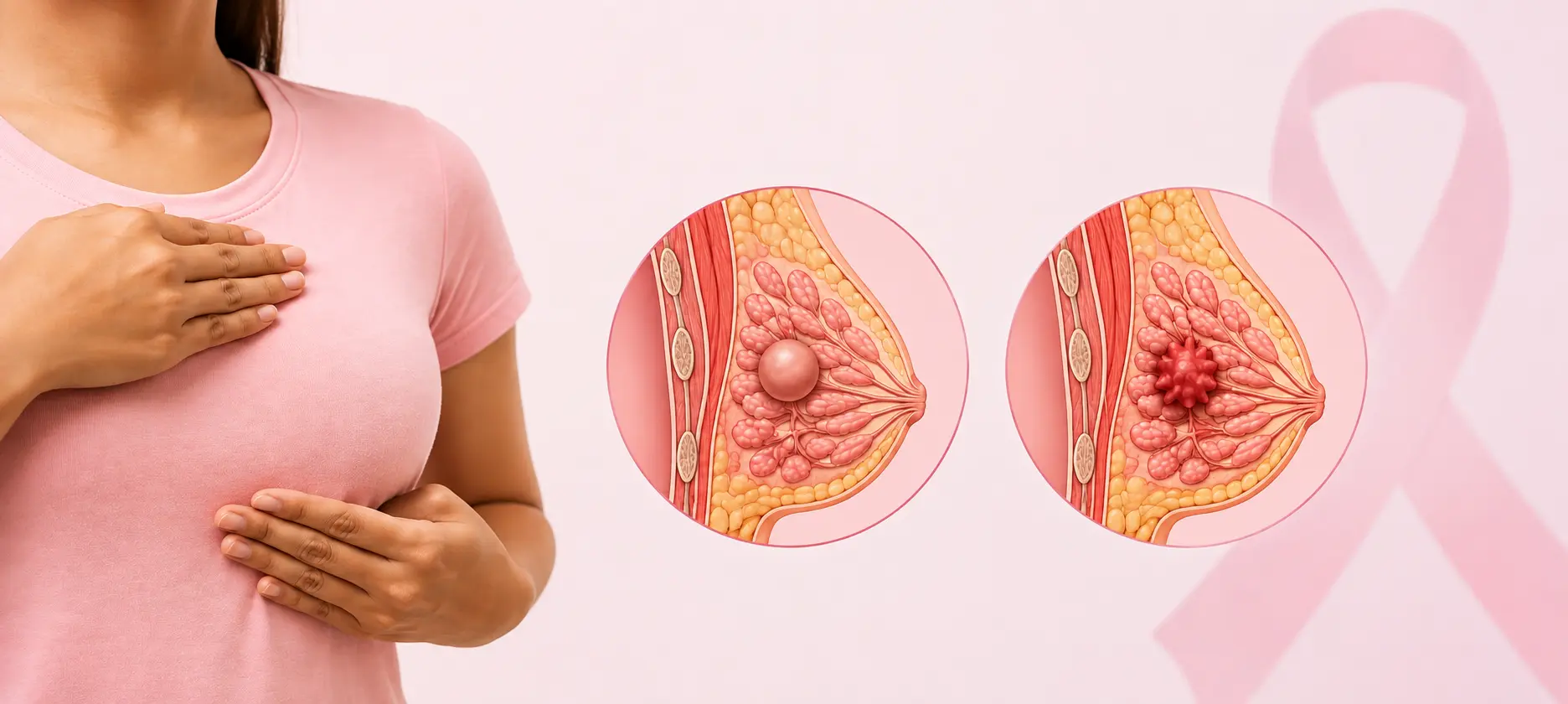
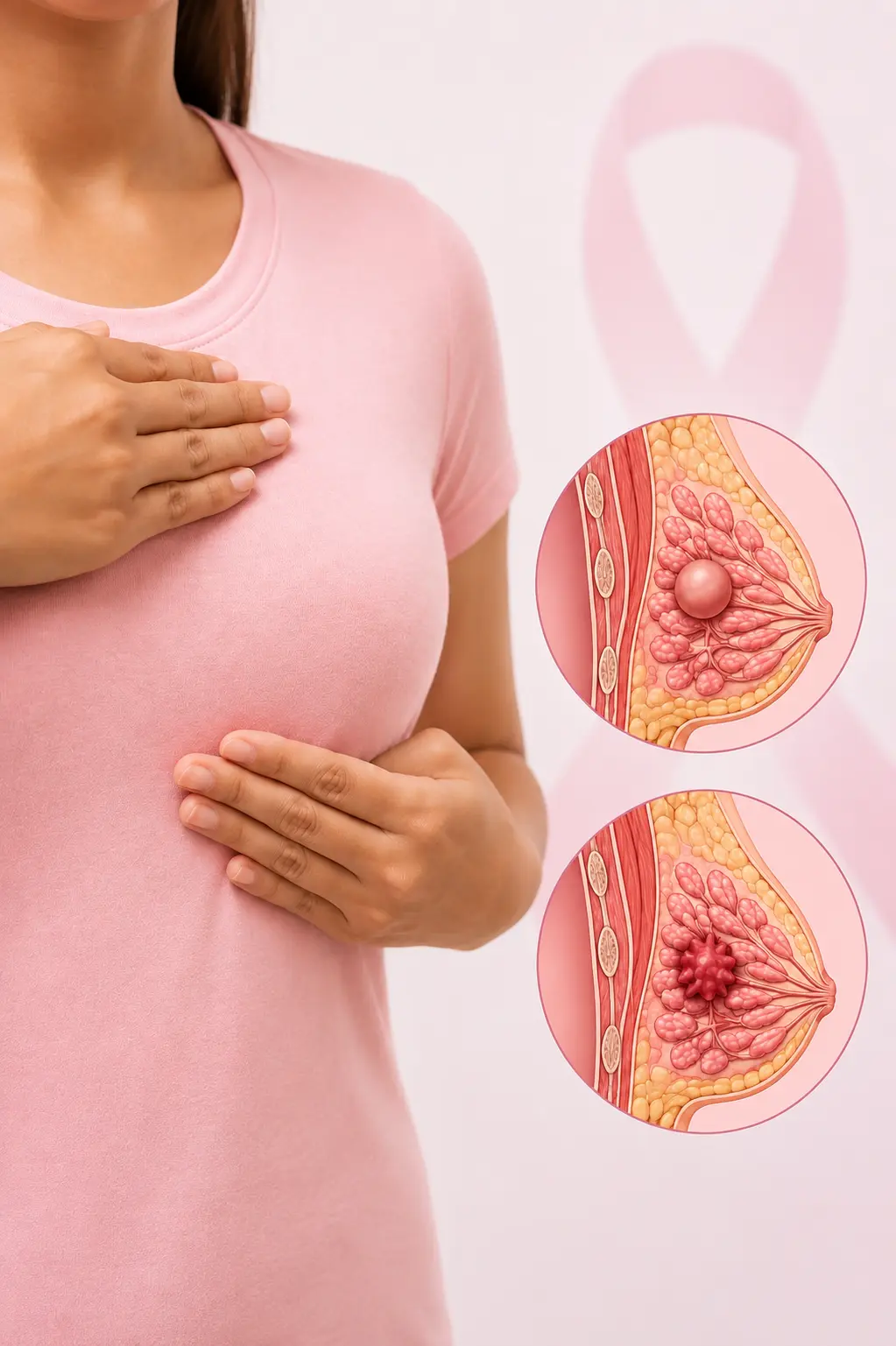
Breast lumps are protruding tissues that occur in a woman’s breast and/or underarm area throughout their life due to hormonal changes. If you are in search of the highest quality breast lump treatment in Kolkata, Doctor Shaikat Gupta is one of the leading breast cancer specialists in Kolkata with over 34 years of experience in Surgical Oncology, dedicated to comprehensive patient care for decades. Although almost 80-90% of them are benign, it is better to be safe and sure about any breast lump that is uneven in shape and to go through a proper diagnosis with a gynaecologist or an oncologist. The key to ensuring the best possible outcome is not to ignore any new lump or change in the breast. Early medical evaluation helps determine whether the lump is benign or malignant and allows timely treatment if required.
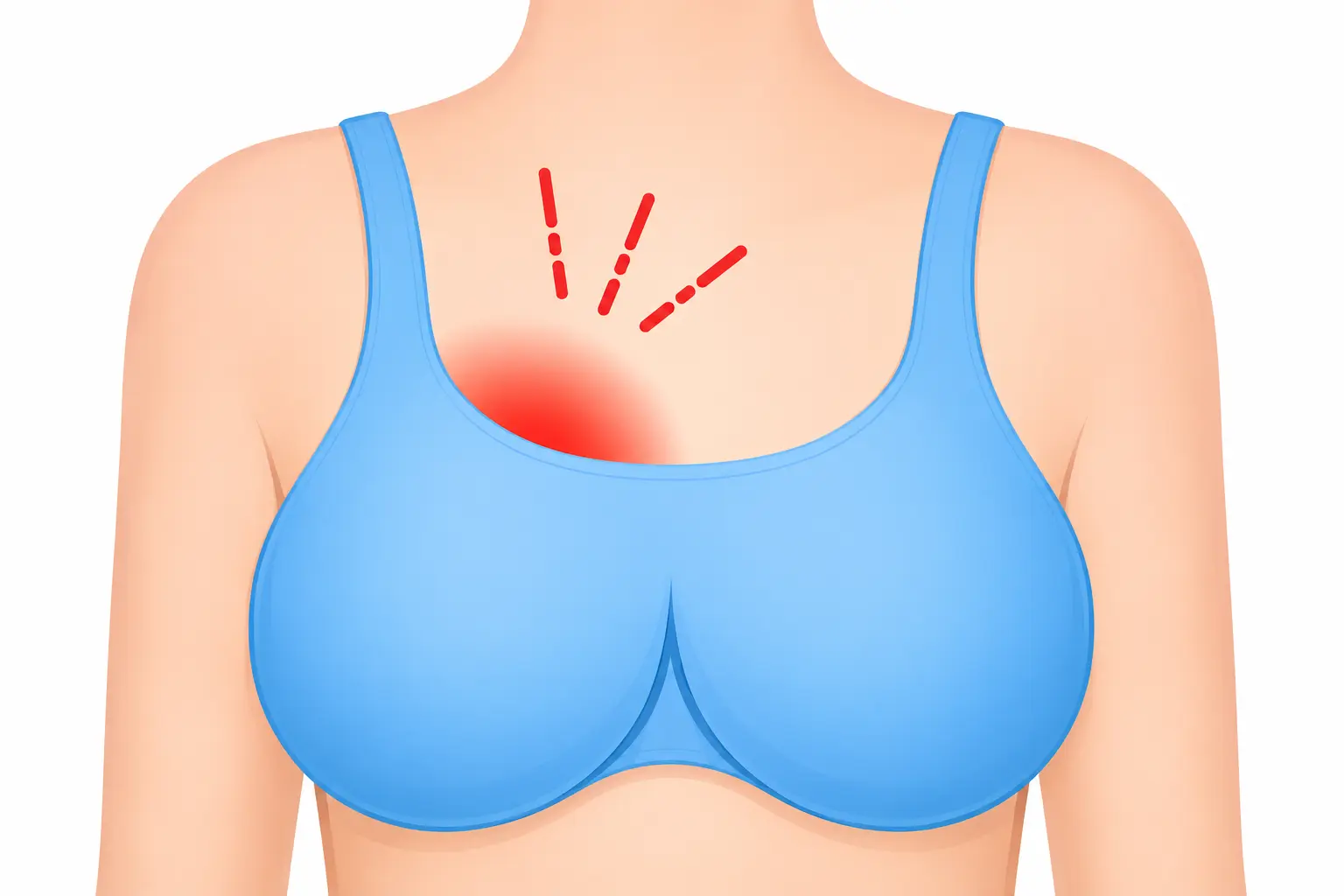
Benign breast lump conditions are much more common than breast cancer. Some of the most frequent types of benign breast lumps include:
A smooth, round-shaped, commonly painless muscle lump, Fibroadenoma is the most common form of breast lump in young women. Mainly due to hormonal imbalance, this type of breast lump is easily movable under the skin and grows slowly. Most fibroadenomas do not increase the risk of breast cancer.
Breast tissues often become aggravated during periods, especially between the ages of 35 and 50. Women may feel tender pain and heaviness before or after periods. This condition often leads to fluid-filled lumps that either feels soft or firm under the skin. Simple fluid cysts are harmless and often go away by themselves.
Hormonal fluctuations in the body often cause breast tissues to become lumpy, swollen, or tender. Women often feel tenderness or pain in the breast area before periods. This condition is common and mostly non-cancerous.
Mastitis commonly affects breastfeeding mothers but can occur in others as well. Sudden painful lumps in the breast and underarm area associated with fever, redness, swelling, and warmth over the area are common symptoms of this condition. Antibiotics and proper rest usually calm these forms of breast lumps.
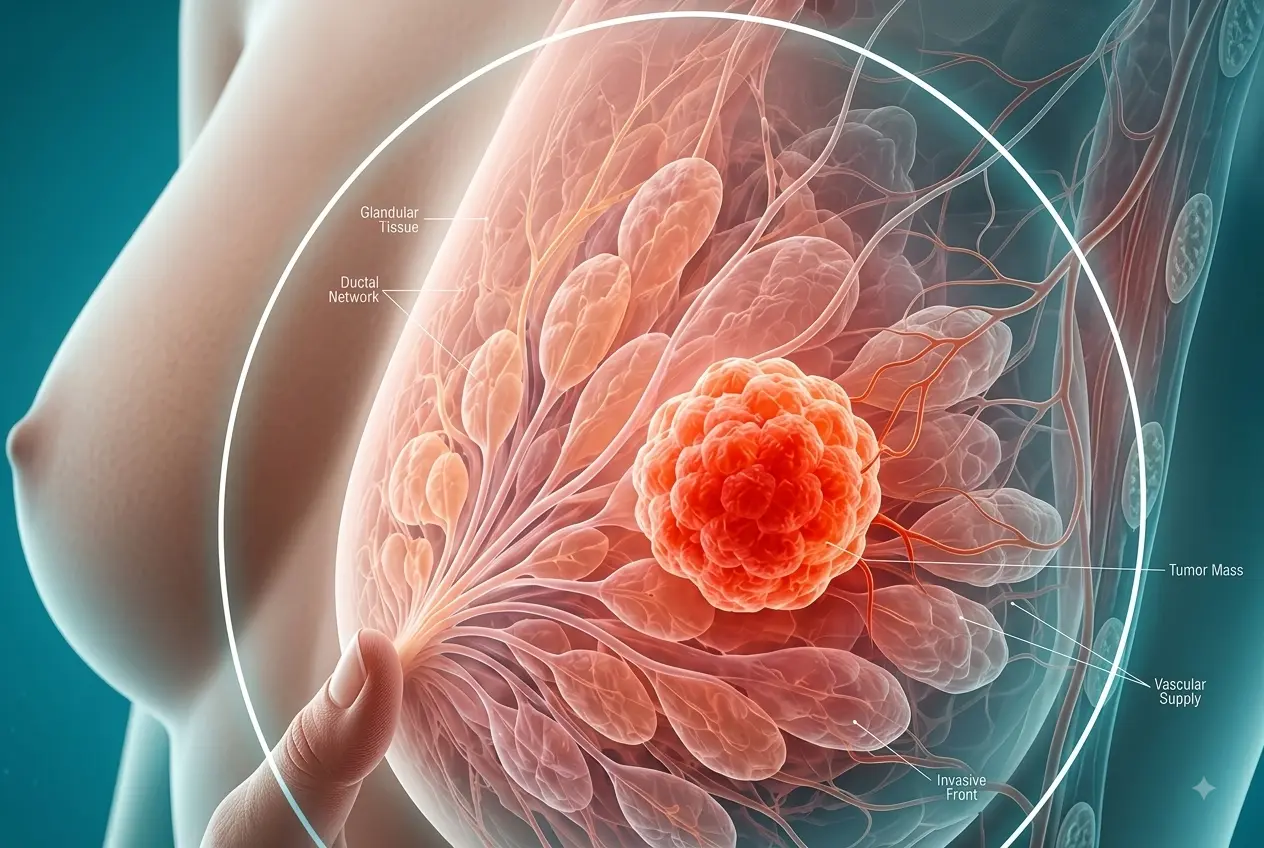
Breast Cancer symptoms often feel different for individuals. However, malignant breast lumps cause distinct symptoms, and women need to understand any prevailing symptoms for quick consultation and diagnosis. A cancerous breast lump may be:
The majority of breast lumps found in women are benign in nature. The most vital point of consulting with an oncologist is the fact that it is always better to be safe than sorry about the presence of a malignant breast lump. Unfortunately, it is not at all possible for women to self-evaluate the type of breast lump based on look and feel. Any new breast lump, persistent breast pain, nipple discharge, or change in the breast should be evaluated promptly by a healthcare professional. Early diagnosis through clinical examination, imaging, and biopsy ensures timely treatment and the best possible outcomes if cancer is detected. At Kolkata Oncology, any breast lump diagnosis starts with a physical examination, mammography, ultrasound, or biopsy to confirm the presence of breast cancer.

Understanding the shape and size of one’s own breasts largely helps in finding out any discrepancies in shape, size, or feel. Regular self-examination is best for prevention and timely consultation with a breast cancer specialist. Maintaining a healthy lifestyle with a well-balanced diet and optimum exercise is also crucial in avoiding hormonal imbalance and therefore the possibility of breast lumps.
Finding a breast lump at any age is frightening, but it is also important to remember that the majority of breast lumps are benign. Benign conditions such as fibroadenomas, cysts, and fibrocystic changes are common and often require minimal treatment and go away on their own. New technology in imaging systems lets experts distinguish between benign and malignant breast lumps. Early consultation with a breast cancer specialist can give reassurance, an accurate diagnosis, and, if required, a time-saving diagnosis or surgery. Advances in breast cancer treatment have significantly improved survival rates, particularly when the disease is diagnosed early.
Q: Are all breast lumps cancerous?
A: Most breast lumps are benign and are caused by conditions such as fibroadenomas, cysts, or hormonal changes. However, every new breast lump should be evaluated by a doctor.
Q: What are the most common breast lump causes?
A: Common causes include fibroadenomas, breast cysts, fibrocystic changes, infections, fat necrosis, and, less commonly, breast cancer.
Q: What are the early breast cancer symptoms?
A: Early symptoms may include a painless breast lump, skin dimpling, nipple inversion, nipple discharge, breast shape changes, or swelling under the arm.
Q: How is a breast lump diagnosed?
A: Diagnosis usually involves a clinical examination, imaging tests such as ultrasound or mammography, and a biopsy if required.
Q: When should I consult a breast specialist?
A: You should consult a breast specialist if you notice a new lump, persistent breast pain, nipple discharge, skin changes, or any unusual change in your breasts.
Q: Does a painful breast lump always indicate cancer?
A: Painful breast lumps are more commonly associated with benign conditions such as cysts, infections, or hormonal changes. Nevertheless, persistent pain or a new lump should always be examined by a doctor.
Lorem ipsum dolor sit amet, consectetur adipiscing elit. Nunc non ligula et tortor pharetra convallis ac in metus.

Learn the early warning signs of soft tissue sarcoma and when to seek medical attention. Explore diagnosis and soft tissue sarcoma treatment in Kolkata.

This blog discusses key questions that you must ask your thoracic cancer surgeon in Kolkata to ensure that you choose the right specialist and understand your treatment options.
.webp)
Ovarian cancer is known as the silent killer because its symptoms are often overlooked. This blog is a comprehensive list of 10 warning signs women should never ignore. The risk factors, diagnosis, treatment options, and FAQs related to Ovarian Cancer are included in this blog.
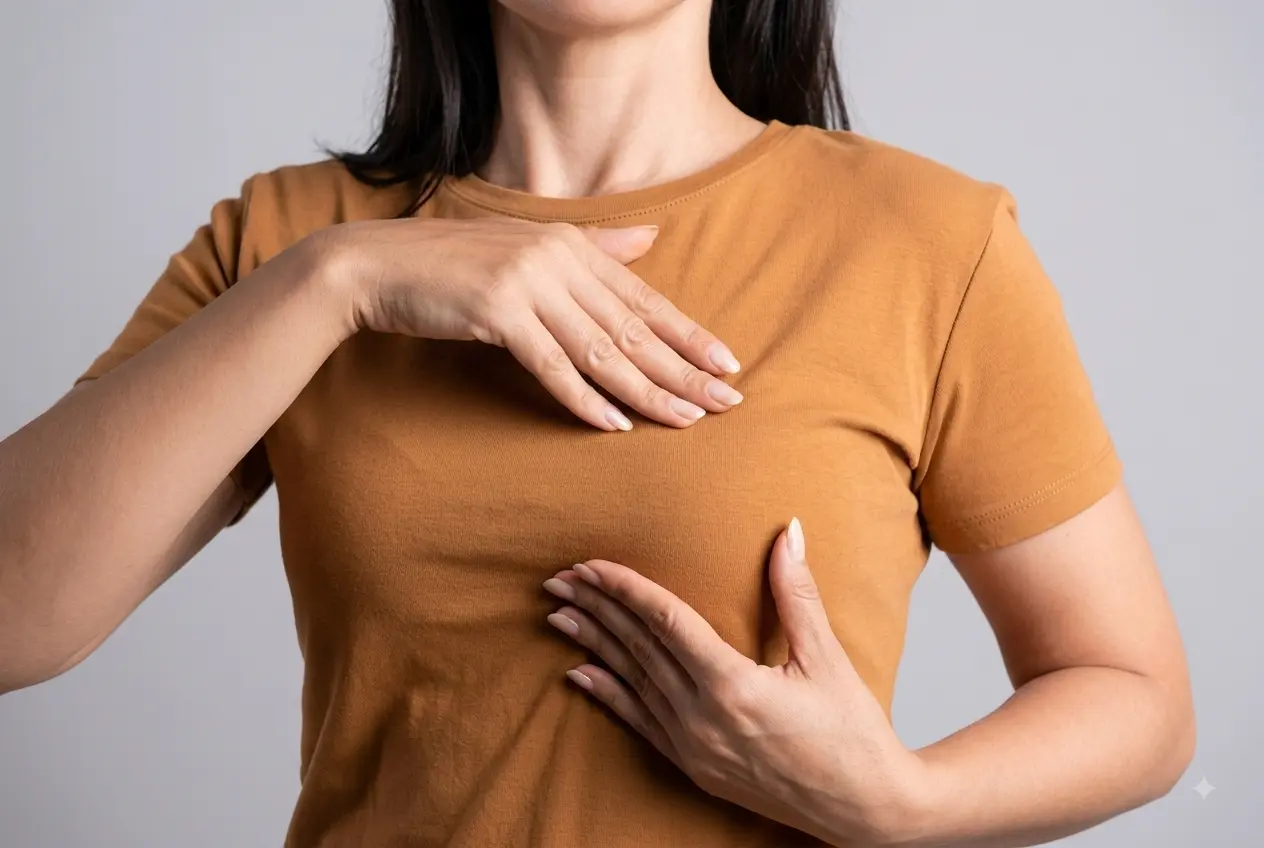
Learn about common breast lump causes, breast cancer symptoms, importance of biopsies, benign breast lumps, and when to consult a breast cancer specialist for timely diagnosis and treatment.

If you are in search of the best oncologist in Kolkata,this blog will help you in evaluating this difficult decision on the basis of doctor expertise, patient reviews and advanced surgical precision.

When selecting the best cancer doctor in Kolkata, patient reviews and success rates reveal the real story behind popular doctors in the city. In this blog, Kolkata Oncology talks about transparency and accessibility in patient reviews for deciding on a suitable cancer doctor in Kolkata.

From early diagnosis to advanced treatment, this blog is comprehensive information on breast cancer, surgical procedures, best breast cancer surgeon in Kolkata Dr. Shaikat Gupta and general preventive awareness.
.webp)
Best Surgical Oncologist in Kolkata: Discover the expertise, advanced treatment approaches, and compassionate care that help deliver improved cancer treatment outcomes.

World Cancer Day emphasizes cancer awareness, early detection and expert surgical treatment in Kolkata for improved survival and quality care.

Dr. Shaikat Gupta, best oncology surgeon in Eastern India, pioneers bloodless cancer surgery for breast, abdominal & thoracic tumors.

Dr. Shaikat Gupta offers advanced robotic surgery in Eastern India, providing the best cancer treatment in Eastern India with precision.

Get the Best Breast Cancer Treatment in East India with Dr. Shaikat Gupta, the best oncology surgeon in Eastern India.