Gastrointestinal & Stomach Cancers: From Diagnosis to Surgical Care
Looking for a stomach cancer doctor in Kolkata? Learn the common signs, how diagnosis works, and what surgical care for gastrointestinal cancers involves.

November 18, 2026
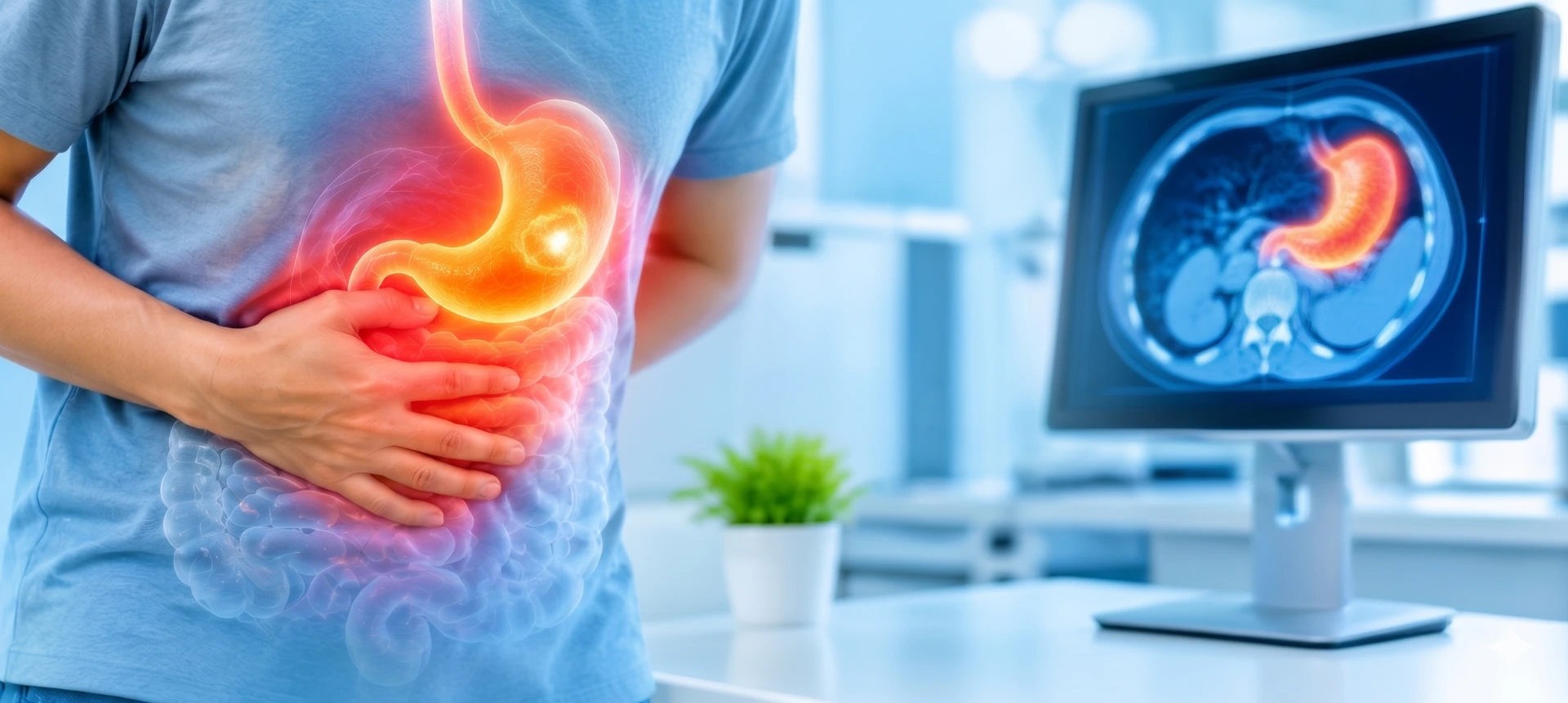
Almost everyone has had an upset stomach. In most cases, acidity or bloating disappears within a day or two. However, if the symptoms persist, further investigation may be needed.
Persistent indigestion, unintended weight loss, and a persistent feeling of fullness may be early symptoms of a different problem. It is natural to be anxious; however, having an idea about what is going to happen next will help to cope with anxiety.
This blog will attempt to walk you through each stage of care, from diagnosis to surgery and recovery. It also explains how to find a trusted stomach cancer doctor in Kolkata, so that patients and families can move forward with clarity and confidence.
The gastrointestinal (GI) tract is the long pathway that carries food through the body. It includes the food pipe (oesophagus), stomach, small intestine, colon and rectum. The liver, pancreas, and gallbladder also play key roles in digestion.
Cancer can begin in any of these organs. Stomach cancer, also called gastric cancer, is one of the more common types in India. Colorectal, oesophageal, liver, and pancreatic cancers are also seen regularly.
Each type behaves differently. That is why an accurate diagnosis is the foundation of good treatment.
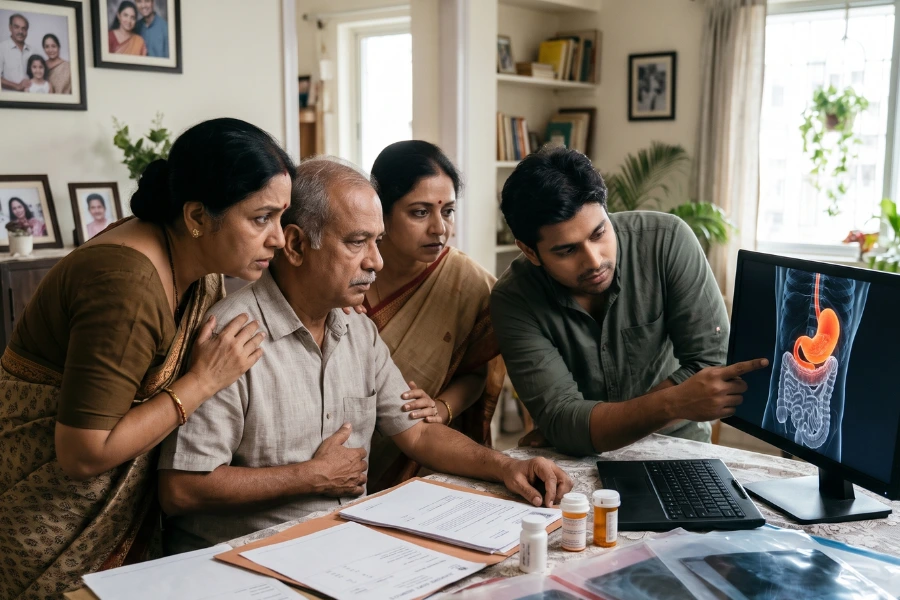
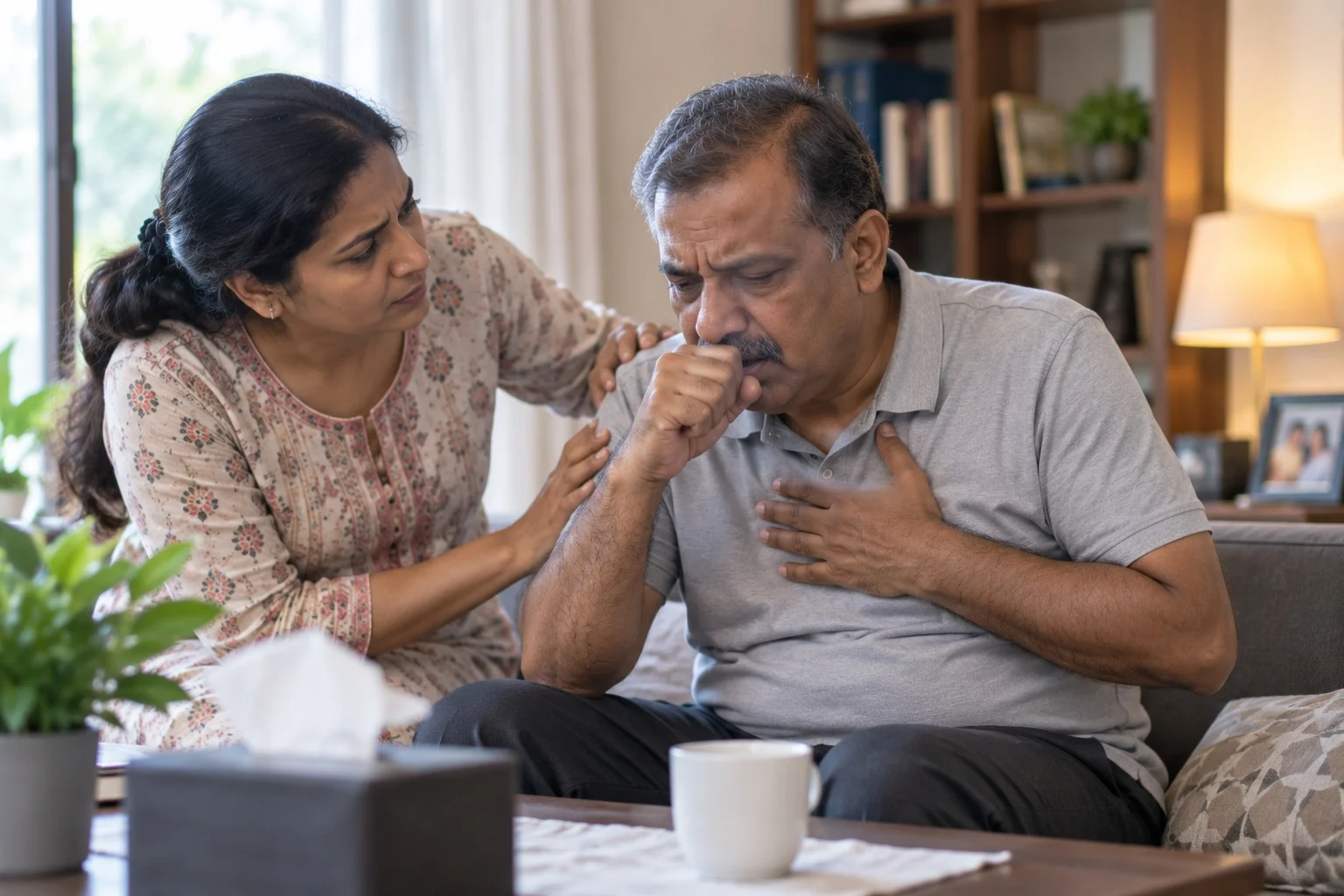
Early cancer symptoms are often mild. They can look like ordinary digestive complaints, so they are easy to overlook. Doctors generally advise a medical review if any of the following lasts for more than two or three weeks:
Having one of these signs does not mean a person has cancer. Ulcers, gastritis and infections are far more common causes. Even so, checking early brings peace of mind, and it can save precious time.
Stomach cancer is often found late because early symptoms are so vague. When it is caught at an early stage, surgery is more likely to be effective, and recovery is usually smoother.
Early detection of cancer is especially important for people at higher risk. Risk factors include:
A doctor can advise whether an endoscopy or other screening tests would be helpful.
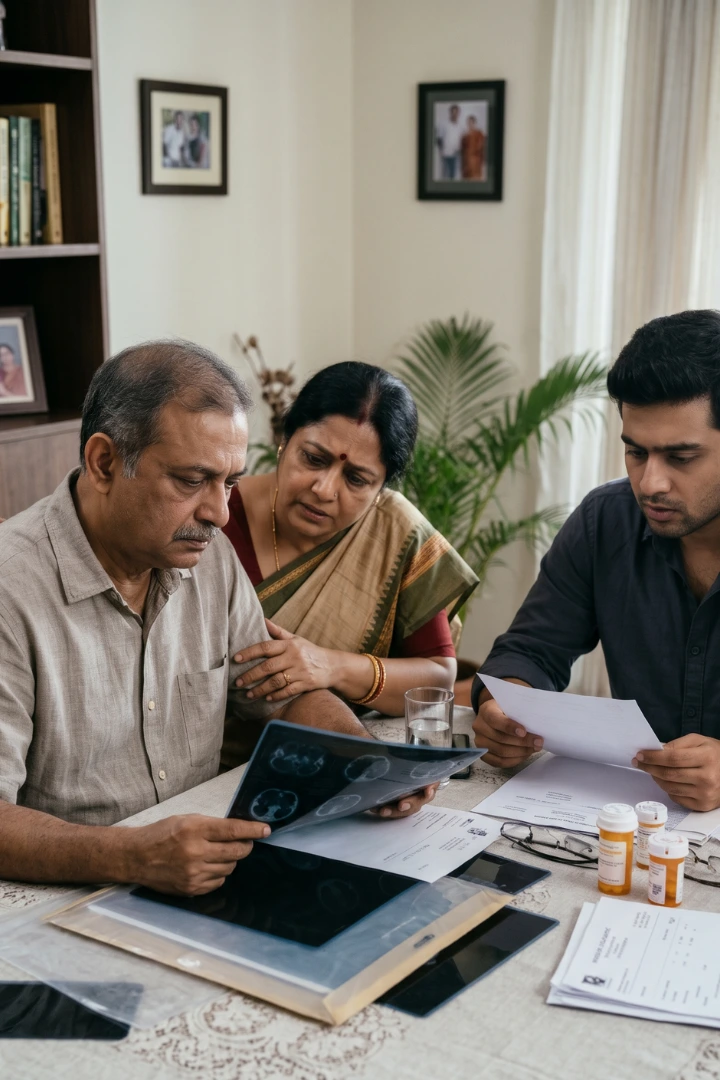
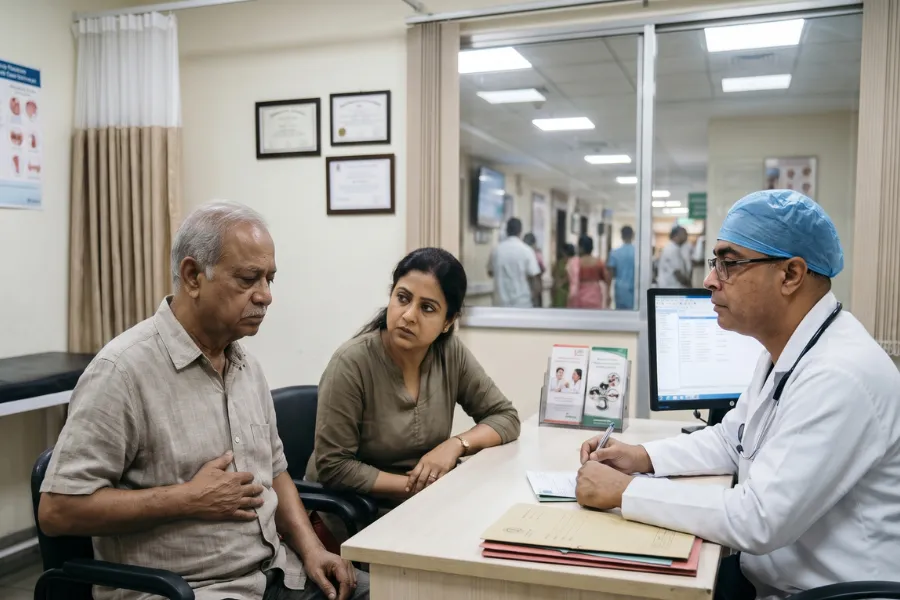
Diagnosis happens step by step, and each test adds a little more information. The first step is an upper GI endoscopy, in which a tiny camera allows doctors to view the oesophagus and the stomach in real time. This procedure also involves taking a sample of tissue, which is known as a biopsy, that will determine if there is cancer in the patient's body. Imaging studies like CT scans or endoscopic ultrasound can help detect the tumour size and whether it has metastasized, whereas blood tests will determine the general health condition of the patient for further treatment.
Once the tests are complete, the cancer is given a stage. Staging describes how large the tumour is and whether it has reached nearby lymph nodes or other organs. Staging matters because it shapes the treatment plan. Early-stage cancers may need surgery alone. More advanced ones often need chemotherapy or other treatment alongside surgery. A good doctor explains the stage clearly and answers every question patiently.

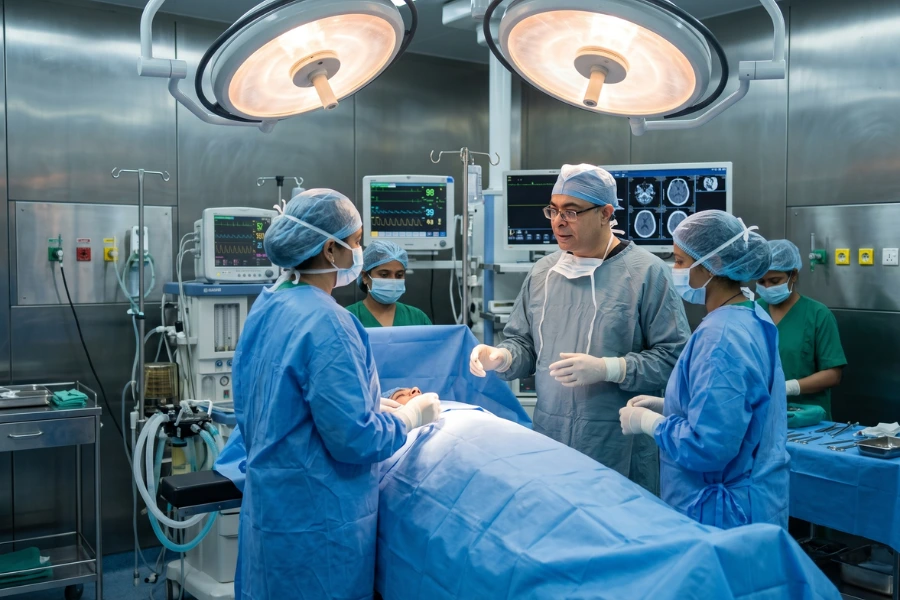
For some patients, surgery is the only way to eliminate the cancerous growth from the body. The surgical oncologist will prepare a thorough surgical plan to ensure that all of the tumour is removed and that the healthy parts are not compromised.
Common types of surgery include:
In other cases of digestive cancers, such as colon or rectal cancer, the surgical treatment involves the removal of the segment of the intestine that is affected. In most cases, the healthy parts are reconnected to enable the patient to eat normally.
There are instances where the treatment strategy involves a combination of surgery with other therapies. These include pre-surgical chemotherapy and radiation therapy. There may be occasions when targeted therapy is included in the treatment approach.
Choosing a specialist is a deeply personal decision. These qualities are worth looking for in a cancer specialist in Kolkata:
Many families find that the best oncologist in Kolkata is the one who listens carefully and explains each step with patience and kindness.
A stomach cancer diagnosis or digestive cancer can feel frightening, and fear, sadness and confusion are all natural. Yet treatment has improved greatly over the years. Cancer treatment in Kolkata now includes advanced diagnostics, modern surgical techniques, chemotherapy, radiotherapy and supportive care, so patients can receive expert help close to their loved ones. Timely diagnosis, careful surgical planning and caring support make a real difference, and many patients recover well and return to the everyday moments they love. Anyone with lasting digestive symptoms should speak to a doctor without delay.
At Kolkata Oncologist, patients and families can find compassionate guidance from an experienced stomach cancer doctor in Kolkata. A consultation is a gentle, practical way to take the first step.
Lorem ipsum dolor sit amet, consectetur adipiscing elit. Nunc non ligula et tortor pharetra convallis ac in metus.

Looking for a stomach cancer doctor in Kolkata? Learn the common signs, how diagnosis works, and what surgical care for gastrointestinal cancers involves.
Looking for the best surgical oncologist in Kolkata? Learn the key signs to look for, questions to ask, and how to choose the right cancer specialist with confidence.
Comprehensive guide to stomach cancer symptoms, causes, and treatment, plus how Kolkata Oncology approaches gastric cancer treatment.

Cancer symptoms often mimic ordinary illnesses, making them easy to dismiss. Learn the 10 subtle warning signs—like persistent fatigue, unexplained weight loss, and recurring pain—that deserve a doctor's attention.

Learn the early warning signs of soft tissue sarcoma and when to seek medical attention. Explore diagnosis and soft tissue sarcoma treatment in Kolkata.
This blog discusses key questions that you must ask your thoracic cancer surgeon in Kolkata to ensure that you choose the right specialist and understand your treatment options.
.webp)
Ovarian cancer is known as the silent killer because its symptoms are often overlooked. This blog is a comprehensive list of 10 warning signs women should never ignore. The risk factors, diagnosis, treatment options, and FAQs related to Ovarian Cancer are included in this blog.

Learn about common breast lump causes, breast cancer symptoms, importance of biopsies, benign breast lumps, and when to consult a breast cancer specialist for timely diagnosis and treatment.

If you are in search of the best oncologist in Kolkata,this blog will help you in evaluating this difficult decision on the basis of doctor expertise, patient reviews and advanced surgical precision.

When selecting the best cancer doctor in Kolkata, patient reviews and success rates reveal the real story behind popular doctors in the city. In this blog, Kolkata Oncology talks about transparency and accessibility in patient reviews for deciding on a suitable cancer doctor in Kolkata.

From early diagnosis to advanced treatment, this blog is comprehensive information on breast cancer, surgical procedures, best breast cancer surgeon in Kolkata Dr. Shaikat Gupta and general preventive awareness.
.webp)
Best Surgical Oncologist in Kolkata: Discover the expertise, advanced treatment approaches, and compassionate care that help deliver improved cancer treatment outcomes.